Understanding the Benefits of Urban Walking Tours
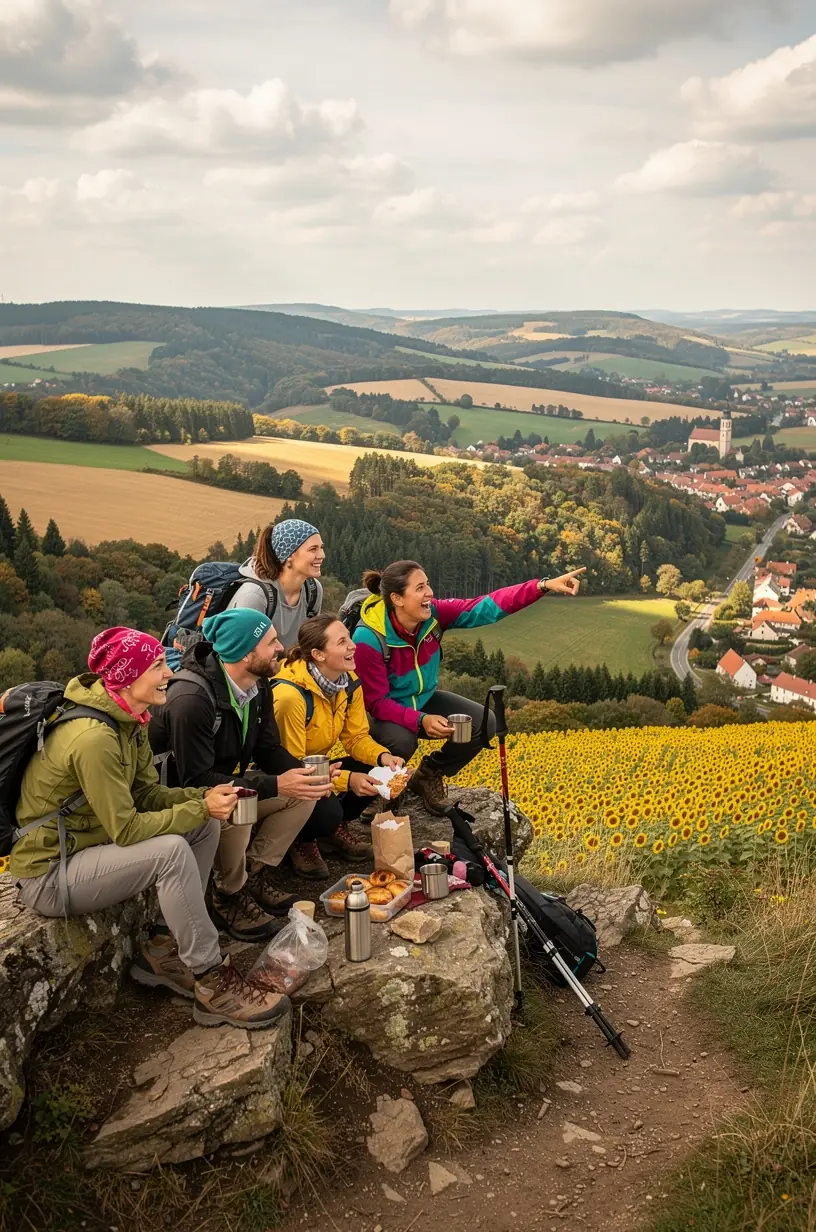
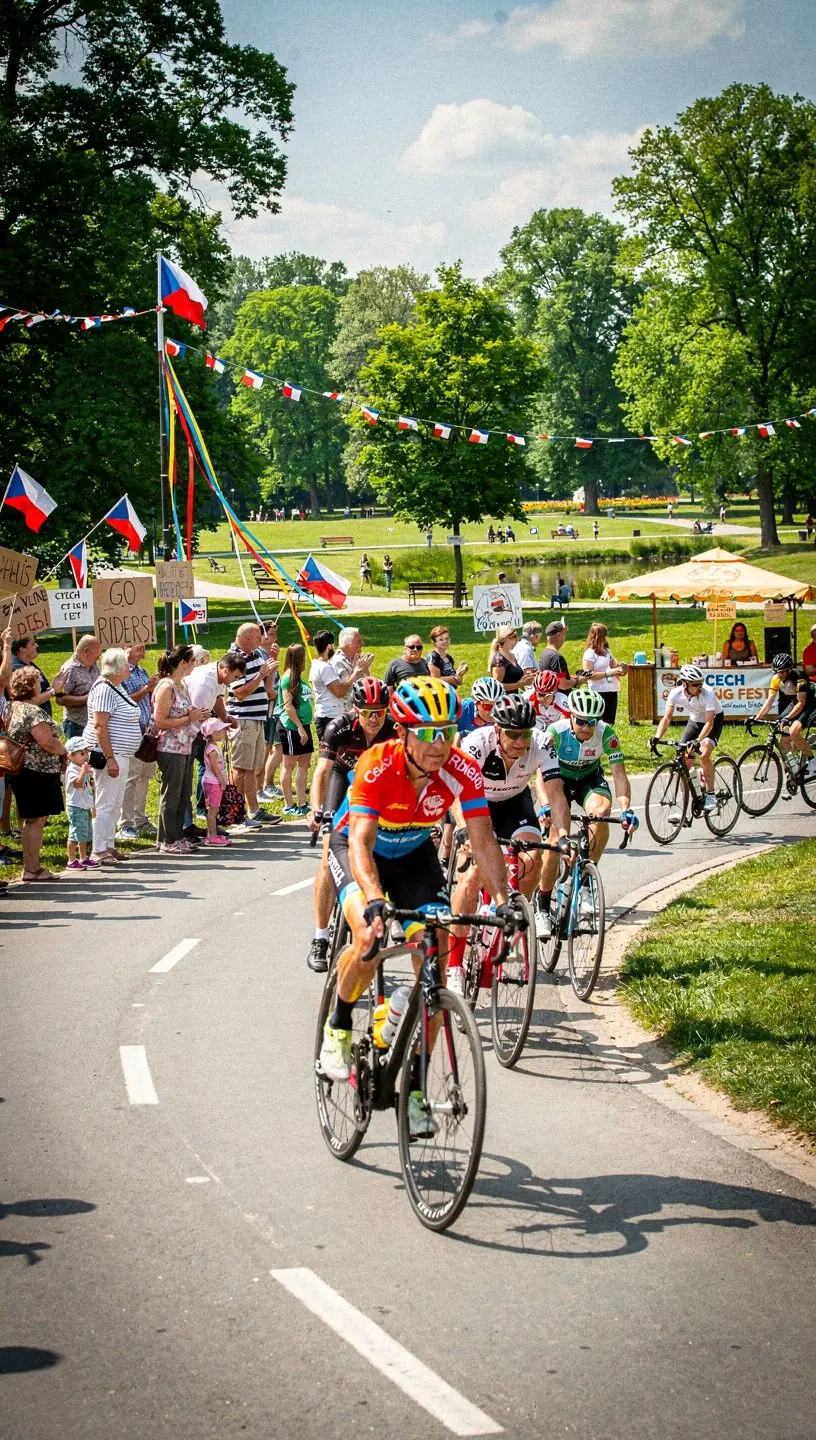
Urban walking tours have gained popularity in recent years, particularly in urban settings like the Czech Republic. These tours not only offer a unique way to explore cities but also come with a variety of benefits that enhance both physical health and cultural understanding.
The Physical Health Benefits of Walking
Research indicates that regular walking can significantly improve physical health. According to studies, engaging in moderate physical activity, such as walking, can reduce the risk of chronic diseases such as heart disease, diabetes, and obesity. Experts recommend incorporating at least 150 minutes of moderate exercise into your weekly routine, which can often be achieved through urban walking tours.
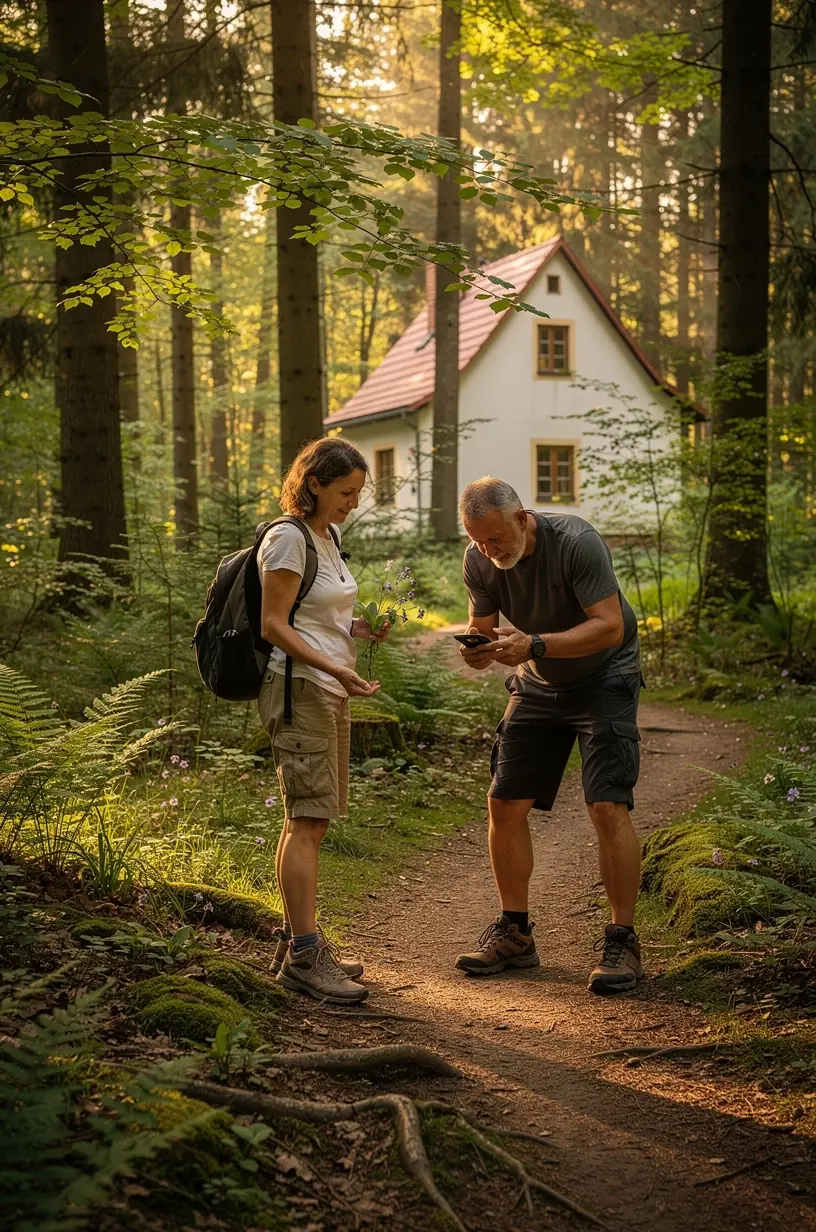
"Walking is one of the simplest forms of exercise and has been shown to improve cardiovascular health and mental well-being." - Health Expert
Cultural Enrichment Through Exploration
Urban walking tours typically allow participants to explore historical sites, local architecture, and hidden gems that may not be accessible by car or public transport. This immersive experience can enhance cultural appreciation and understanding. According to cultural studies, experiencing a city on foot can deepen one’s connection to the environment and community.
Practical Benefits of Participating in Walking Tours
- Improved Mental Health: Studies show that walking can reduce symptoms of anxiety and depression. Engaging with local culture and nature during these tours may further elevate mood.
- Social Interaction: Urban walking tours provide opportunities to meet new people and socialize, which is essential for mental well-being. Many users report feeling more connected to their community after participating.
- Sustainable Tourism: Walking tours encourage eco-friendly practices as they typically involve lower carbon footprints compared to other forms of tourism.
Setting Realistic Expectations
While urban walking tours can offer numerous benefits, it is essential to acknowledge that they may require a certain level of commitment. Participants should be prepared for tours that can last from 1 to 3 hours, depending on the route and pace. Moreover, some tours may involve uneven terrain or weather conditions that could affect comfort and accessibility.
Conclusion
In summary, urban walking tours present a valuable opportunity to enhance both physical health and cultural understanding. By participating in these tours, individuals can not only improve their fitness levels but also gain a richer perspective on their surroundings. With realistic expectations and a willingness to engage, urban walking tours can serve as a rewarding addition to one’s outdoor activities.