Exploring the Flora and Fauna of Czech Parks
Czech parks offer a rich tapestry of biodiversity, making them ideal destinations for outdoor enthusiasts. This article delves into the flora and fauna of these beautiful green spaces, providing insights into their ecological significance and tips for exploration.
Understanding the Biodiversity of Czech Parks
The Czech Republic is home to diverse habitats, ranging from dense forests to open grasslands. According to research conducted by the Czech Academy of Sciences, these varied ecosystems support over 40,000 species of plants and animals. Many users report that exploring these parks can enhance their understanding of local ecology and promote conservation efforts.
Flora: A Rich Botanical Heritage
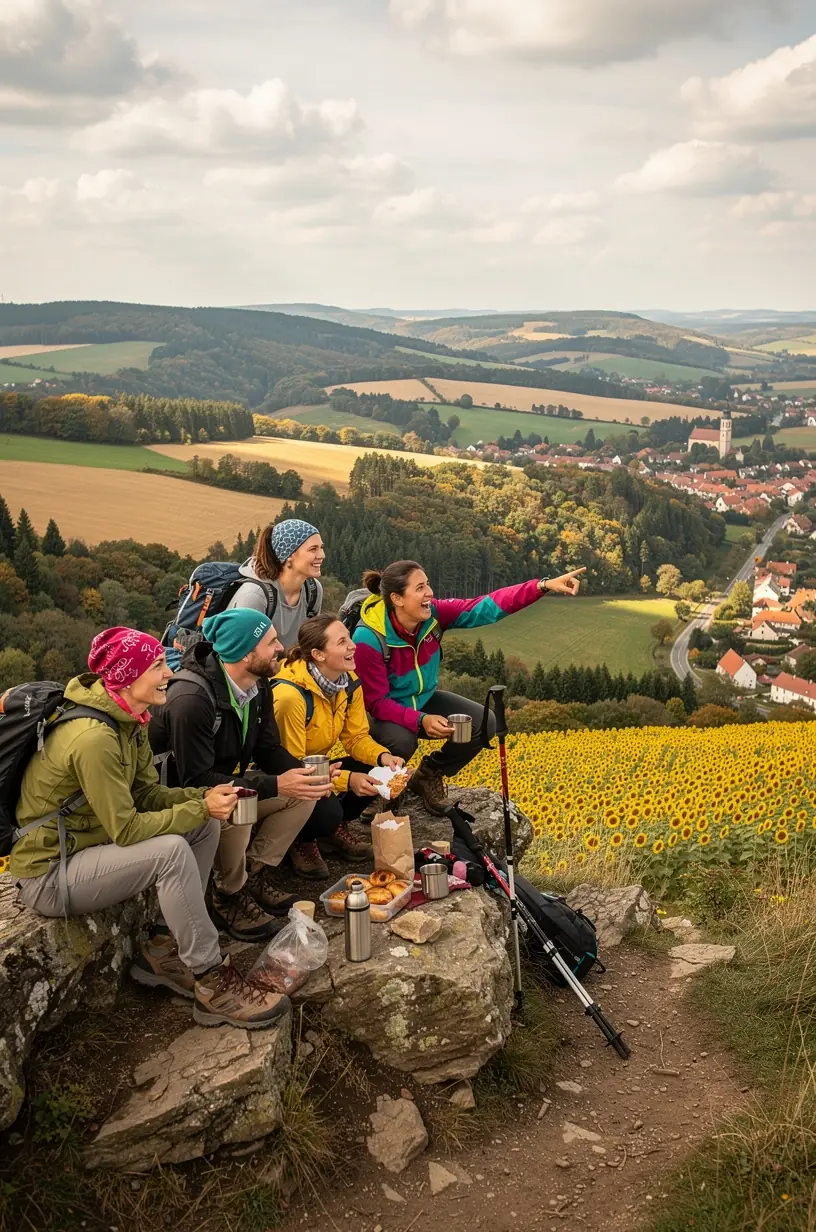
The flora in Czech parks includes a wide variety of trees, shrubs, and wildflowers. Common species like European beech and Scots pine provide essential habitats for numerous animal species. Studies show that these plants not only contribute to the landscape's beauty but also play a crucial role in carbon sequestration and soil stabilization.
"The diversity of plant life in Czech parks is a vital part of the ecosystem, contributing significantly to both local wildlife and human well-being." - Dr. Jana Novák, Ecologist
Fauna: Wildlife in Their Natural Habitat
Birdwatchers and wildlife enthusiasts will find much to admire in Czech parks. Species such as the Eurasian jay, European green woodpecker, and various hawks can often be spotted. According to experts, these animals contribute to the ecological balance by controlling insect populations and dispersing seeds, which is vital for plant reproduction.
Practical Tips for Exploring Czech Parks
- Plan Your Visit: Many parks have designated walking and cycling paths. Researching these routes can help you make the most of your time, as some areas may require advance bookings for guided tours.
- Respect Wildlife: Keep a safe distance from animals and avoid feeding them. This helps maintain their natural behavior and supports conservation efforts.
- Engage with Local Experts: Consider joining guided tours led by local ecologists or park rangers. They can provide valuable insights about the flora and fauna that you might not discover on your own.
Conclusion
Exploring the flora and fauna of Czech parks can be an enriching experience for outdoor enthusiasts. By understanding the ecological significance of these areas and respecting the wildlife they harbor, visitors can contribute to conservation efforts while enjoying the beauty of nature. Remember to plan your visits thoughtfully and engage with the local environment responsibly for a rewarding outdoor adventure.
Learn More