The Role of Nature in Outdoor Recreation Therapy
Outdoor recreation therapy has gained significant attention for its potential to improve mental and physical health. Engaging with nature can offer therapeutic benefits that many individuals find effective. This article explores how spending time outdoors can contribute to well-being, particularly in the context of therapy.
Understanding the Basics
Outdoor recreation therapy, often utilized in various therapeutic contexts, focuses on the benefits of physical activities in natural settings. According to studies, engaging with nature can reduce stress levels and improve mood. This works because exposure to natural environments typically encourages relaxation and a sense of peace, which are vital for therapeutic success.
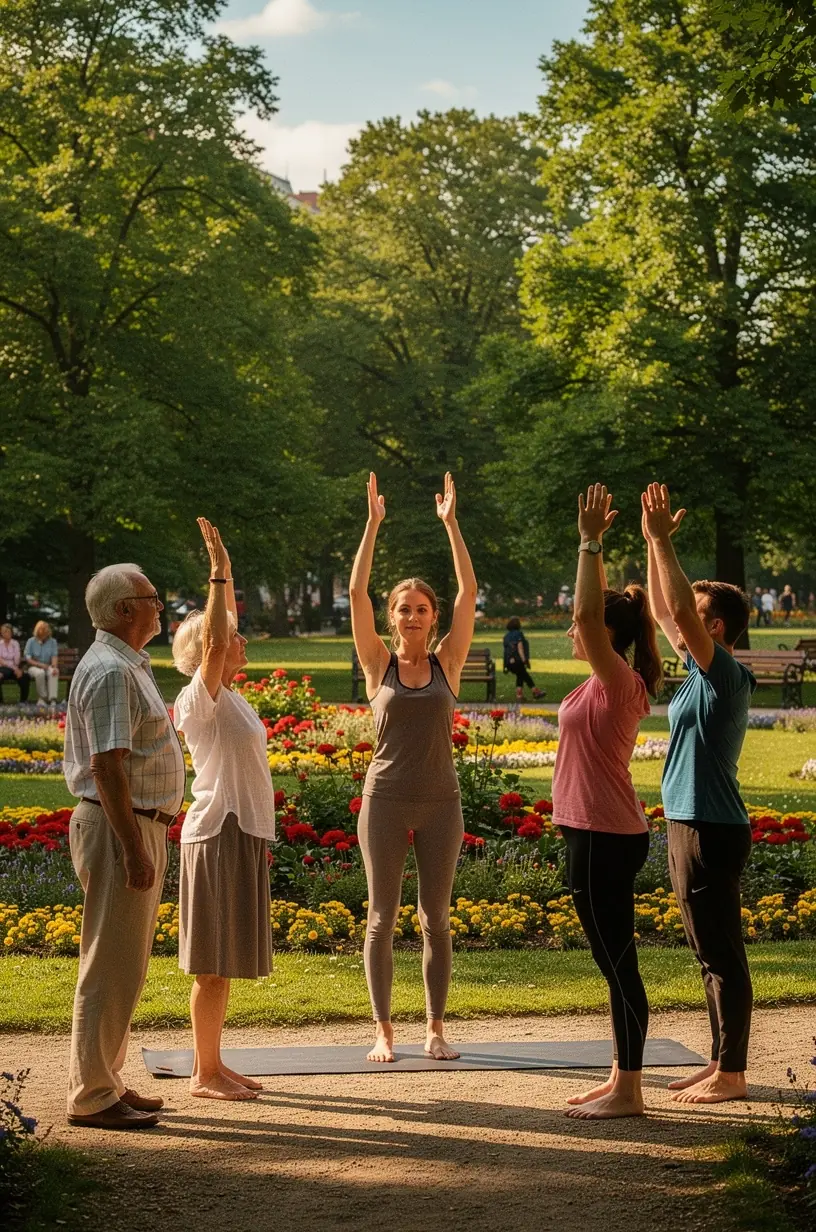
"Numerous studies indicate that spending time in nature can significantly lower levels of anxiety and depression."
The Science Behind Outdoor Therapy
Research shows that spending time outdoors can stimulate the body's natural healing processes. Here are some key points that explain why this approach is effective:
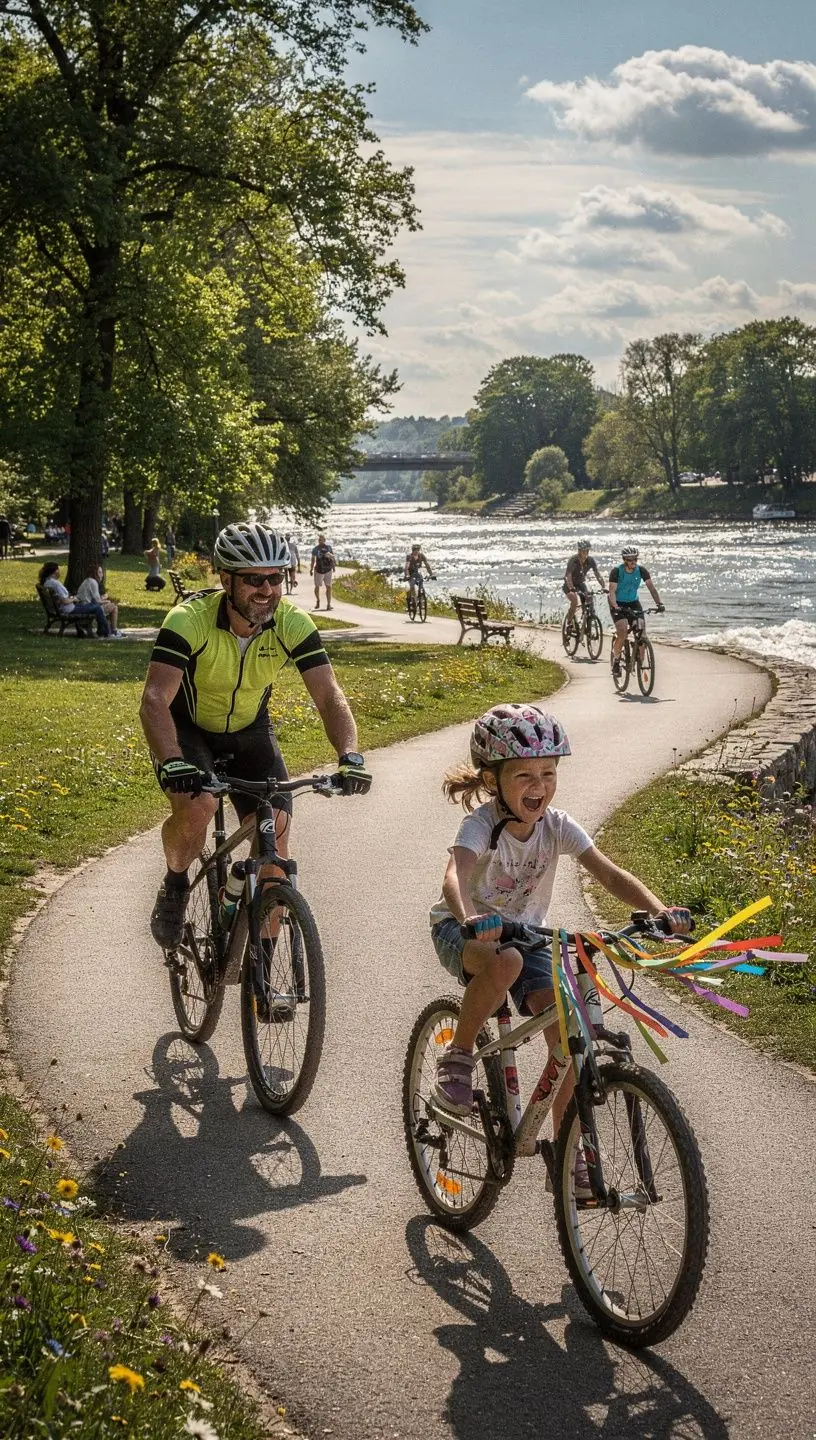
- Physical Activity: Engaging in activities like walking or cycling can lead to the release of endorphins, often associated with improved mood and decreased perception of pain.
- Connection to Nature: Many experts recommend immersing oneself in natural settings, as this can foster a sense of belonging and connection, which are essential components of mental health.
- Mindfulness and Presence: Activities done outdoors often encourage mindfulness, allowing individuals to focus on their surroundings, which can enhance mental clarity and emotional regulation.
Practical Application for Therapy
Implementing outdoor recreation therapy requires careful planning and consideration of individual needs. Here are some practical steps:
- Initial Assessment: It's essential to perform an evaluation to understand the individual's preferences and comfort levels with outdoor activities.
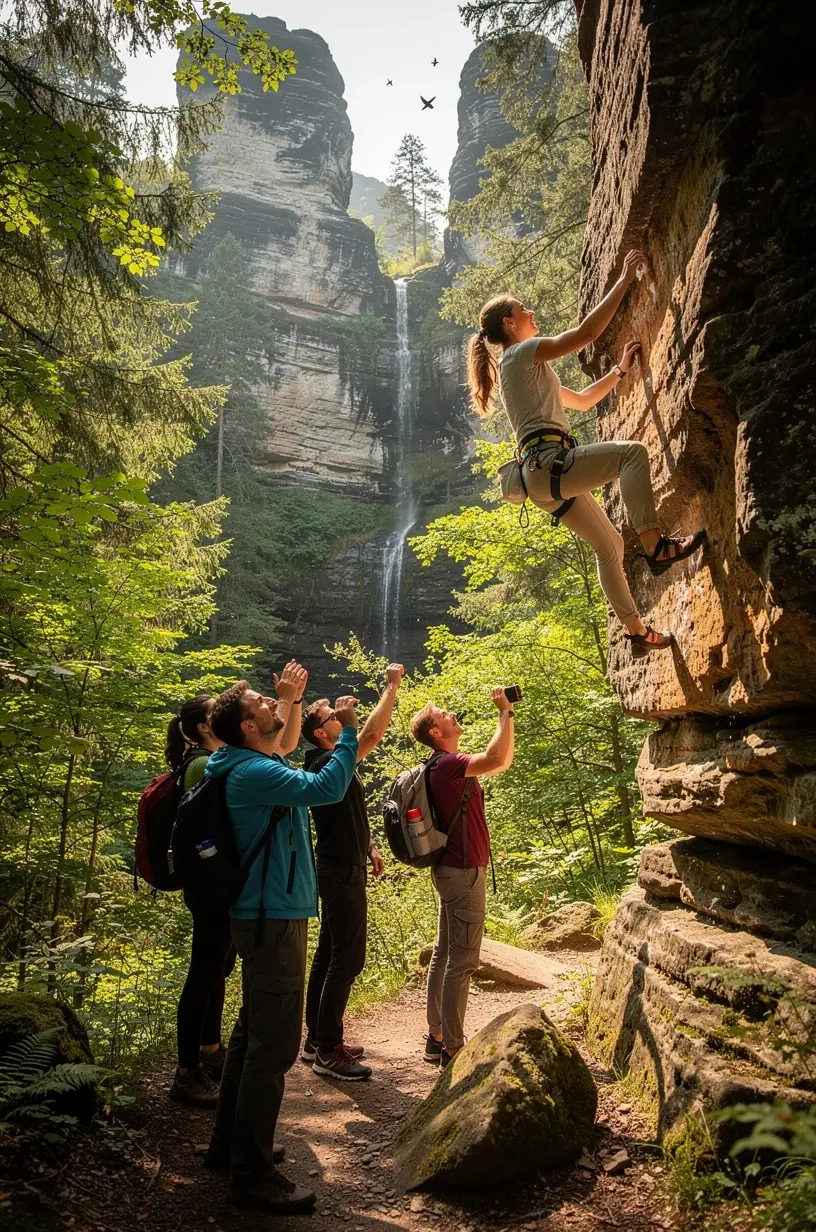
- Structured Activities: Therapy can involve a range of outdoor activities such as hiking, light tourism, or cycling, tailored to the individual's abilities and interests.
- Consistent Engagement: Research indicates that regular engagement with nature, typically a few times a week, may lead to significant improvements in overall well-being.
Challenges and Considerations
While outdoor recreation therapy can be beneficial, it is not without its challenges. It typically requires a commitment to regular participation and may involve learning new skills, which can take time to develop. Additionally, it may not be suitable for individuals with certain physical limitations or those who are not comfortable in natural settings.
Conclusion
The integration of nature into therapeutic practices offers a promising avenue for enhancing mental and physical health. As research continues to support the benefits of outdoor activities, practitioners and individuals alike can find hope in the healing power of nature. Setting realistic expectations and recognizing the need for consistent engagement can help maximize the benefits of outdoor recreation therapy.