Understanding the Impact of Light Tourism on Local Communities
Light tourism, often characterized by low-impact travel and short visits, can have profound effects on local communities. This article explores these impacts, drawing on research and expert insights to provide a nuanced understanding of how light tourism shapes economic, social, and environmental dynamics.
Understanding Light Tourism
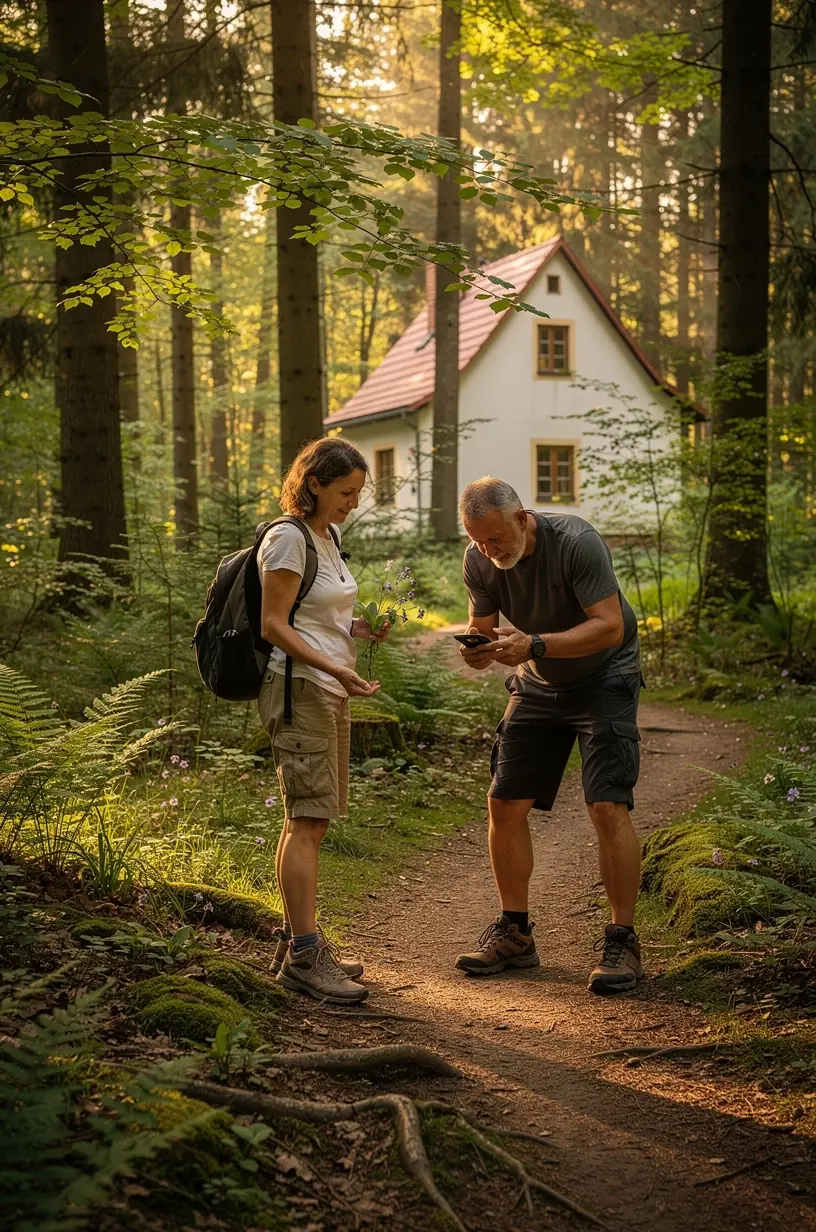
Light tourism refers to travel that is generally less intensive than traditional tourism, focusing on experiences that can be enjoyed in a short timeframe. According to studies, light tourism is often more sustainable and promotes local cultures without overwhelming resources. Many users report that these experiences foster a deeper connection to the community.

"Light tourism can enhance local economies while preserving cultural identities, according to tourism experts." - Tourism Research Journal
Economic Impacts
The economic benefits of light tourism can be significant. Research indicates that local businesses often see an increase in revenue during peak light tourism seasons. This can be attributed to:
- Increased Local Spending: Visitors typically spend on food, transportation, and services, supporting local economies.
- Job Creation: The rise in visitors can lead to the creation of jobs in hospitality, retail, and transport sectors.
- Low Infrastructure Strain: Because light tourism involves shorter stays, local infrastructure may not be as heavily burdened as in areas with mass tourism.
Social & Cultural Effects
Light tourism can also positively influence the social fabric of local communities. Experts suggest that:
- Cultural Exchange: Light tourists often seek genuine cultural experiences, which encourages interaction between visitors and locals.
- Community Empowerment: Many local initiatives can thrive on the engagement of light tourists, promoting local crafts and traditions.
- Challenges to Authenticity: However, it is crucial to acknowledge that there can be pressures on local cultures to cater to tourist expectations, which may dilute authenticity over time.
"While light tourism fosters cultural exchange, it is essential for communities to maintain authentic representations of their heritage." - Cultural Studies Quarterly
Environmental Considerations
One of the often-discussed benefits of light tourism is its potential for lower environmental impact. Research shows that:
- Lower Carbon Footprint: Short visits typically result in a reduced carbon footprint compared to longer stays, especially when travelers prefer eco-friendly transport.
- Conservation Awareness: Light tourists often engage with environmental programs, raising awareness about local conservation efforts.
Nevertheless, there are limitations. While light tourism can be less harmful, it can still contribute to environmental issues if not managed properly, particularly in sensitive areas.
Conclusion
In summary, light tourism presents a mixed bag of opportunities and challenges for local communities. While it can drive economic benefits, enhance cultural exchanges, and promote environmental awareness, communities must remain vigilant to preserve their unique identities. As tourism trends evolve, fostering a balanced approach to light tourism will be essential in ensuring sustainable benefits for all stakeholders involved.
Learn More